Featured
Table of Contents
It prevails, but can be really significant, influencing exactly how you really feel, believe, and act. Having depression is different than simply really feeling depressing. It is a persistent feeling of sadness, pessimism, and loss of rate of interest. To be identified with depression, signs have to exist for two weeks or more.
From one person to another the seriousness and frequency of signs will vary, and while some individuals just experience a few signs, others experience several. Persistent depressing, anxious, or "empty" state of mind Feeling hopeless Really feeling worthless Angry outbursts, irritability, or disappointment Loss of interest or enjoyment in hobbies and activities Believing nothing deserves trying Thinking concerning fatality, or that life is not worth living Lack of energy Moving or chatting slower than normal Difficulty with concentration, emphasis, memory, and decision making Really feeling uneasy or having trouble sitting still Appetite or weight modifications Difficulty sleeping, early-morning awakening, or sleeping much extra or much less than regular Aches or pains, frustrations, pains, or digestion problems without a clear physical cause Although anxiety is just one of the most typical psychological problems in the US, there is no exact well-known source of anxiety.
The Neurobiology of Brainspotting Internal Family Systems Therapy in San Francisco in Healing
Risk elements for depression consist of: Acquired characteristics, personal or family history of depression Environmental elements, like major life modifications, injury, or tension Mental aspects Certain physical health problems and medicines Organic distinctions, mind chemistry, or hormones The most reliable therapy for anxiety is medication and psychiatric therapy. The earlier that anxiety is treated, the simpler it is to treat.
Speaking to a psychoanalyst, psychologist or various other psychological health professional, can be extremely beneficial for individuals with depression. Medications to deal with anxiety are called antidepressants. There are lots of sort of antidepressants that do different points in the mind, like improve exactly how the brain makes use of certain chemicals, or support your state of mind.
What Makes the IFS Model Helps With Self-Compassion
Some instances of antidepressants are: Discerning serotonin reuptake inhibitors (SSRIs) Serotonin-norepinephrine reuptake preventions (SNRIs) Atypical antidepressants Tricyclic antidepressants Monoamine oxidase preventions (MAOIs) Yes, you can have stress and anxiety and depression at the same time. Although they are 2 different and unique mental health concerns, they frequently occur concurrently. In some cases, somebody can have both an anxiety problem and a significant depressive disorder.
In various other situations, clinical depression might create stress and anxiety. Yes, there is a distinction between anxiety and anxiety medication.
Culture-Centered Considerations in Therapeutic Work
Treatment can be a valuable tool for individuals with stress and anxiety and clinical depression. For both anxiousness and depression, CBT includes speaking through actions patterns, and helps to teach people with these mental illnesses exactly how to deal with signs.
For depression, it can help you experience favorable feelings. The majority of treating stress and anxiety and depression with treatment is overlapping. Using evidence-based approaches details to the therapy of state of mind conditions, like CBT, and consistently speaking with a therapist will certainly aid those with stress and anxiety, depression, or both, make obvious enhancements. Yes, you can obtain treatment for anxiousness and anxiety online.
IFS Therapy Explained Within the Context of Core Beliefs
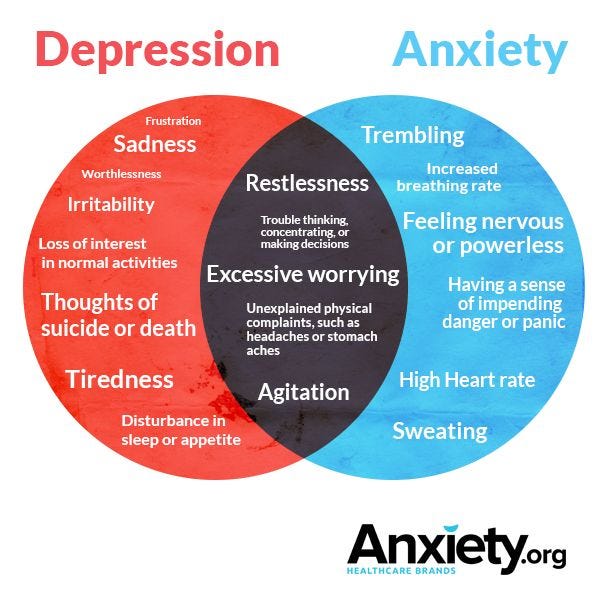
Psychological health is complicated. While professionals have actually produced details diagnoses for various sorts of problems, the fact is that several conditions have a good deal of overlap, which can make it fairly difficult to separate in between two separate problems. One of one of the most typical problems that people have is trying to discriminate in between stress and anxiety and anxiety.
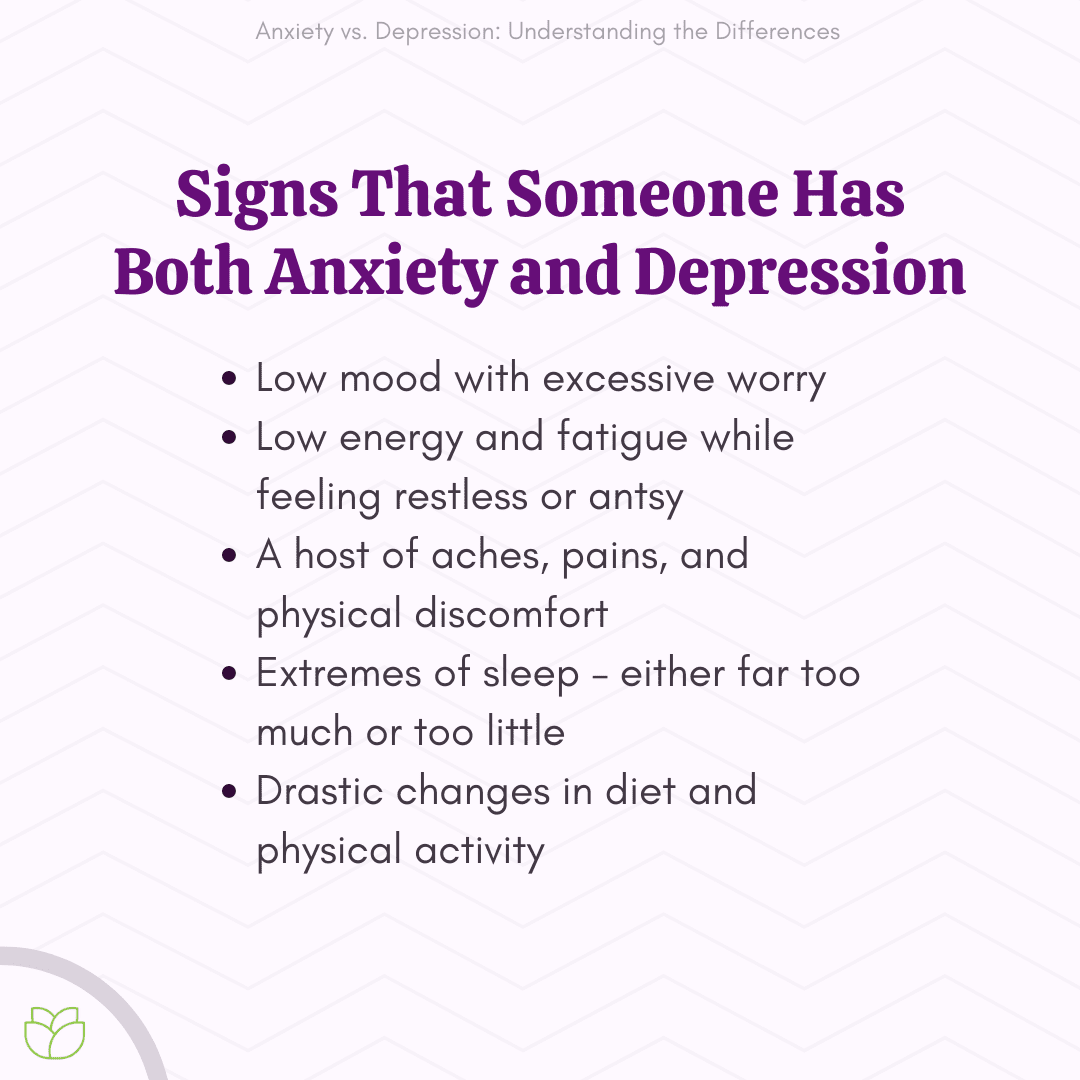
While it would certainly be terrific if there were a fool-proof means of informing you whether you have anxiety or depression, it's not quite that simple. A single person can conveniently have both anxiousness and depression, and some individuals may have created depression signs and symptoms as an outcome of their stress and anxiety disorder. It's a bit more difficult than claiming "you have anxiety" or "you have depression" due to the fact that it's feasible to have mixes of both.
Symptoms of one or the other might bleed right into whichever disorder you have, due to the fact that both share similar causes, problems, etc. The finest means to recognize the distinction in between the two conditions is with the key signs, starting with the mental signs. Stress and anxiety: Apprehension over what will take place and what could occur in the future.
Self-Care in Recovery for Trauma
Seeming like you need to run away or avoid things that can trigger additional anxiety. Depression: Really feeling of unhappiness regarding the future, as though it's helpless. Laziness, and an absence of idea that positive points will certainly take place. Little concern, however rather an assurance of future unfavorable feelings. Feasible self-destructive ideas.
Those with clinical depression typically think a negative future and do not anticipate anything else or assume there's anything worth protecting against. Clinical depression can happen after somebody experiences stress and anxiety, since a person that manages extreme anxiety may wind up really feeling drained and helpless when their stress and anxiety or stress and anxiety attack is over. That's why the 2 conditions can be tough to differentiate.
Physical signs can be very various as well. Once more, there are similarities. Both anxiousness and depression can leave you really feeling drained pipes and tired out. However in the instance of stress and anxiety, it tends to occur after extreme anxiety, while with depression it often tends to be more consistent, without necessarily any kind of triggers.
Physical signs that look like wellness conditions, particularly if accompanied with health and wellness concerns. Clinical depression: Extreme absence of energy or drive. Depression actually tends to have less physical signs and symptoms, but the psychological signs and symptoms can be so unsafe (particularly the potential for self-destructive thoughts) and the absence of power so pronounced that several people with depression offer with intense struggles daily that certainly competing the signs and symptoms of anxiety.

Table of Contents
Latest Posts
When Psychodynamic Counseling Works through Relational therapy
When Rapid Trauma Processing Works Quickly for Binge Eating Disorder in Lynnwood, WA
Recurring Memories, Panic, and Dissociation: Common Experiences in Napa, CA
More
Latest Posts
When Psychodynamic Counseling Works through Relational therapy
When Rapid Trauma Processing Works Quickly for Binge Eating Disorder in Lynnwood, WA
Recurring Memories, Panic, and Dissociation: Common Experiences in Napa, CA